
A Digital Roadmap for Zimbabwe: Navigating the AI Frontier
Recently on, March 12, 2026, marked a landmark moment for Zimbabwe’s technological trajectory. In the heart of Harare, the Computer Society of Zimbabwe (CSZ) and ICDL Africa hosted a high-level Digital Skills Breakfast that was far more than a simple networking event, it was a strategic call to action for a nation standing on the brink of an AI-driven revolution.
With the government’s recent endorsement and launch of the National Artificial Intelligence Strategy (2026–2030) by H.E Emmerson Mnangagwa, the atmosphere was one of focused ambition. Policy makers, educators, and industry leaders gathered to align the nation’s digital development with this new roadmap, centered on the theme: “Accelerating Digital Literacy for National Growth.”
The Vision: Digital Literacy as the Fuel for AI
Hon. Tatenda Mavetera, Minister of ICT, Postal and Courier Services, opened the session by framing the stakes of the current era. While AI is often viewed as the engine of the Fourth Industrial Revolution, the Minister reminded the audience that digital literacy is the fuel.
“We are not just adopting technology; we are future-proofing our citizens,” the Minister noted.
She emphasized that while AI offers unprecedented economic potential, its success depends entirely on the “foundational digital fluency” of the workforce. To this end, the government is doubling down on its commitment to certify teachers across the 1,800 schools project and launching the new Digital Ambassadors program. In her view, digital literacy is no longer a luxury, it is a fundamental right for every Zimbabwean.
Global Expertise meets Local Action
The event benefited from a blend of international perspective and regional success stories. Damien O’Sullivan, CEO of the ICDL Foundation, addressed the “AI paradox”, the idea that as machines get smarter, the demand for verified human competence actually increases. He challenged the room to look past the hype and address the structural barriers to true transformation.
“AI is a transformative revolution, but it requires a foundation of digital competence to be effective. We cannot build an AI-ready economy on a workforce that hasn’t mastered the basics.”
Adding a practical blueprint to the discussion, Ritah Gasana shared invaluable “Lessons from Rwanda.” She highlighted the integration of ICDL in Higher Learning Institutions in Rwanda and detailed how the rapid digitization of Kigali’s public services was built on a foundation of standardized certification. Zimbabwe has now adopted Rwanda’s “Digital Ambassador” model, in which certified youth lead efforts to drive digital inclusion in rural communities.
The Three Challenges: A Reality Check
Despite the optimism, the keynote by Damien O’Sullivan highlighted three critical hurdles that Zimbabwe must overcome to truly benefit from the AI era:
* The Digital Native Fallacy: The dangerous assumption that young people are naturally “tech-savvy” because they use social media. Being a digital consumer is not the same as being a digital producer or professional.
* The Perception vs. Reality Gap: Most employees believe they possess sufficient digital skills, but objective testing often reveals significant gaps in productivity and security awareness.
* The Threat of Digital Exclusion: As AI accelerates, those without certified, standardized skills risk being permanently left behind, widening the economic divide.
Distinguished Guests in Attendance
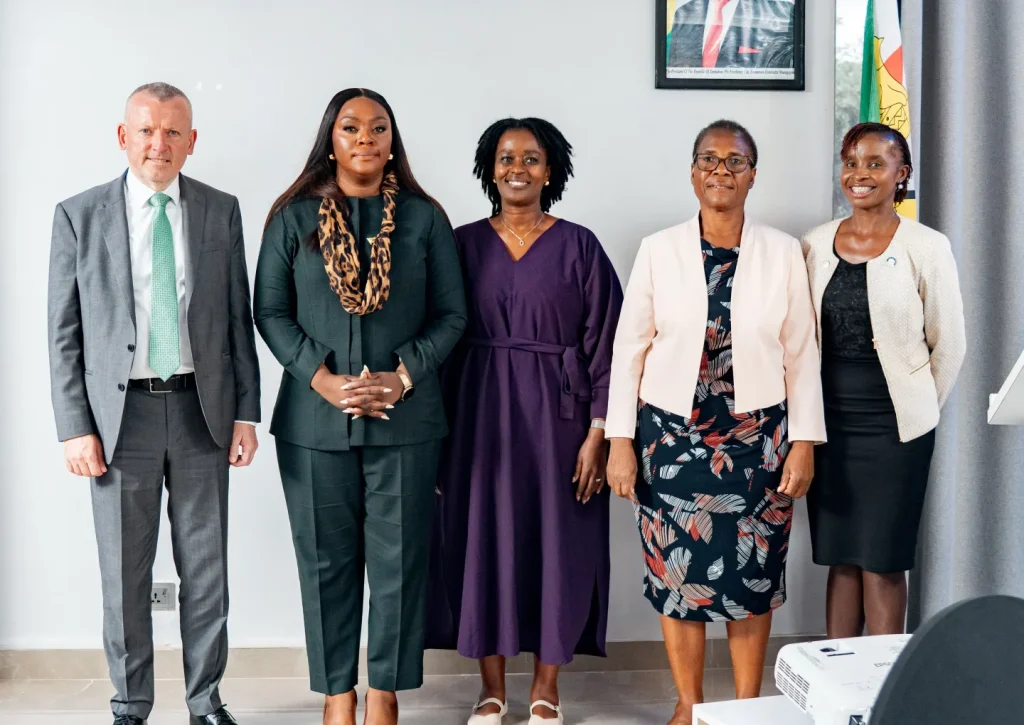
The event was graced by a cohort of leaders dedicated to Zimbabwe’s digital upskilling drive:
Hon. Tatenda Mavetera | Minister of ICT, Postal and Courier Services
Damien O’Sullivan, CEO, ICDL Foundation
Ritah Gasana , ICDL Rwanda Representative / Regional Coordinator
Solange Umulisa, General Manager, ICDL Africa
Prof K P Dzvimbo, CEO , Zimbabwe Council for Higher Education
Viola Dondo, Executive Director, Computer Society of Zimbabwe (CSZ)
Nozipho Mloyi, eLearner Manager (CSZ)
The Path Forward
As the breakfast concluded, the message was clear: Zimbabwe’s digital roadmap is paved with international standards and local dedication. The collaboration between the government, CSZ, and ICDL remains the backbone of this national upskilling drive. By moving from consumption to production and from “tech-savvy” to “tech-certified,” Zimbabwe is positioning itself as a rising regional tech hub.